
The climate crisis is considered the most urgent problem facing humanity and the greatest threat to human rights.
In that context, what obligations do States have to protect people, especially those in vulnerable situations, from the impacts of the climate crisis?
The advisory opinions of the Inter-American Court of Human Rights offer a powerful answer to that question, as their objective is to clarify the content and scope of the obligations to protect human rights that the States of the continent have, in accordance with their internal laws and with the treaties or conventions they have signed.
Currently, the international court is in the process of issuing an advisory opinion to clarify these obligations, specifically in the face of the climate crisis.
The interpretations that the Court offers in this case will strengthen the arguments used by organizations, communities and other actors who decide to initiate climate litigation before national or international courts.
For the reasons described above, it is important to explain what advisory opinions are, why they are important and what their relationship is to climate litigation, as well as to detail the ongoing advisory opinion process and its potential for achieving climate justice.
WHAT ARE THE ADVISORY OPINIONS OF THE INTER-AMERICAN COURT OF HUMAN RIGHTS?
The advisory opinions of the Inter-American Court are pronouncements made by this international tribunal —at the request of both the members of the Organization of American States (OAS) and some affiliated bodies— in order to interpret international treaties such as the American Convention on Human Rights and clarify their scope, determine the specific obligations they impose, and develop the guarantees they provide to the inhabitants of the continent.
They are important because they solidify the proper understanding of human rights and thereby guide States on how to guarantee and implement them within their territories or jurisdictions. A clear example is Advisory Opinion 23 of 2017, in which the Court established a historic precedent by recognizing the right to a healthy environment as fundamental to human existence and ruling for the first time on its content.
These pronouncements help to clarify the duties, authorizations, and prohibitions that arise from each of the rights recognized in the international treaties signed by the countries of the continent. Therefore, they constitute a relevant element in establishing the responsibility of any State for possible human rights violations resulting from its actions or omissions.
WHAT IS THE PROCESS BY WHICH ADVISORY OPINIONS ARE ISSUED?
Any member of the OAS or any of its constituent institutions may request an advisory opinion from the Inter-American Court of Human Rights on how its clauses or those of "other treaties concerning the protection of human rights" in the Americas should be interpreted. The questions must be specific and include their justification.
Once the consultation is received, the Court informs all member states and bodies of the Inter-American Human Rights System so that they may submit their written observations. At the same time, a period is opened for any interested person or entity to submit to the Court their considerations regarding the questions raised and how they should be resolved.
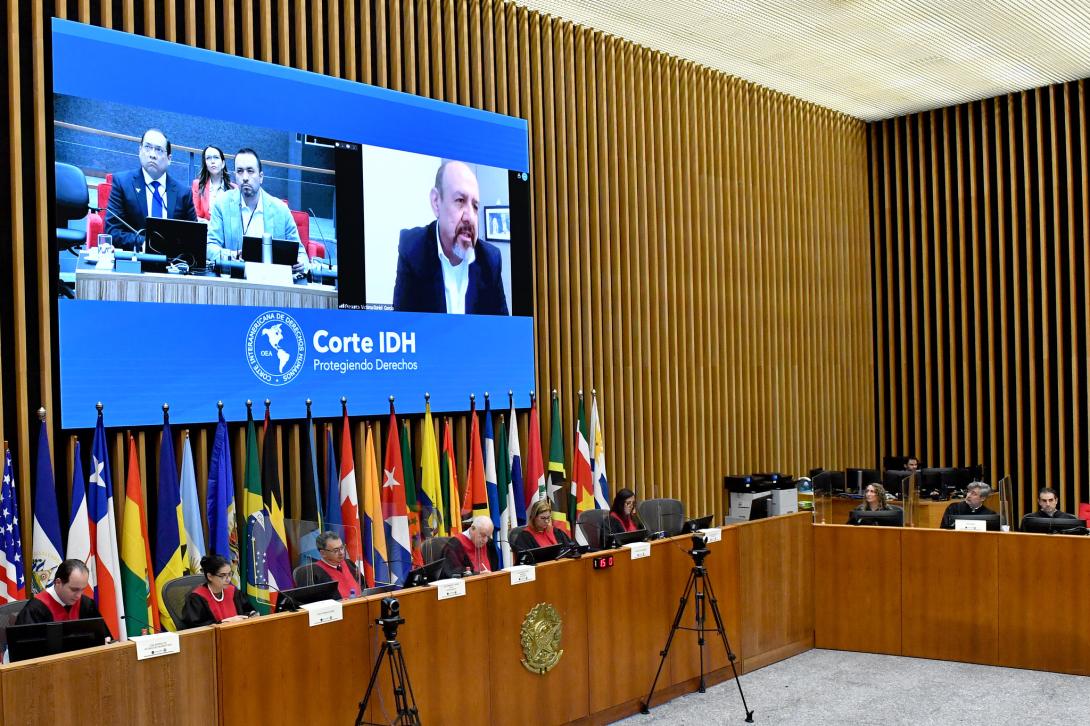
Then, if it deems it necessary, the Court convenes oral hearings to hear from the States and other parties involved in the proceedings. It may also ask questions and request clarifications regarding the documents it has received. Following this, the Court deliberates privately on the matter and adopts its decision, which will be notified by its registry to all those who participated in the proceedings.
HOW DO ADVISORY OPINIONS CONTRIBUTE TO CLIMATE LITIGATION?
Climate litigation has become a key and increasingly used tool in the fight against the climate crisis. It is essentially strategic litigation that seeks broad societal change through court decisions that hold governments, corporations, and other actors accountable for the causes and impacts of the climate crisis.
The Inter-American Court's advisory opinions can contribute to achieving these rulings by offering authoritative interpretations of the human rights treaties adopted by the States of the region. They serve as a legal benchmark for judging the actions or omissions of State entities and private actors under their control that have aggravated or threaten to aggravate the climate crisis.
Treaties such as the American Convention on Human Rights establish guarantees for a dignified life, personal integrity, and health, which can be invoked before courts as the basis for States' obligations to adopt measures to adapt to and mitigate the climate crisis. Thus, advisory opinions provide strong arguments for demanding compliance with such measures as a way to protect human rights.
View this post on Instagram
OPPORTUNITIES OF THE ONGOING ADVISORY OPINION FOR CLIMATE JUSTICE
In January 2023, Colombia and Chile requested an advisory opinion from the Inter-American Court of Human Rights to clarify the scope of state obligations regarding human rights in the context of the climate emergency. Both states stated that their populations, and others across the continent, are suffering the consequences of the global crisis, particularly due to droughts, floods, and fires, among other factors. Therefore, they consider it necessary for the Court to determine the appropriate interpretation of the American Convention on Human Rights and the rights recognized therein "insofar as they are relevant to addressing the situations generated by the climate emergency, its causes, and consequences."
This will be the first time the international court has ruled to determine the mandates, prohibitions, and authorizations that must be inferred from human rights in relation specifically to the negative effects of the climate emergency on individuals and communities on the continent.
Once issued, this advisory opinion will clarify the legal obligations of Latin American states to combat the climate crisis as a human rights issue. The Court's ruling could compel states to recognize their responsibility to reduce greenhouse gas emissions, support adaptation measures, and establish mechanisms to address the resulting losses and damages.
Given this unique opportunity, AIDA is participating in the public consultation convened by the Court before issuing its ruling. We have submitted a legal brief with arguments demonstrating the existence of the autonomous human right to a "stable and safe climate" as part of the universal right to a healthy environment, as well as the corresponding obligations of States to prevent and avoid the harmful effects of the climate emergency on their inhabitants.
In addition, we are supporting different communities in the region to bring their voices to the process and be heard by the Court by submitting other legal documents that emphasize the socio-environmental impacts of the climate emergency on indigenous peoples, women, children, populations with diverse gender orientations and identities, and on fragile ecosystems such as coral reefs.
We are also supporting the participation of community representatives in the hearings of the process, scheduled by the Court for April and May in Barbados and Brazil, respectively.
The climate justice movement in Latin America and around the world is becoming stronger and more effective, fueled by the successes of climate litigation and by key precedents such as those emerging from the advisory opinions of the Inter-American Court of Human Rights.
Author: Manuel Páez Ramírez is Colombian and a lawyer with the Human Rights and Environment Program at AIDA.
The climate crisis is considered the most urgent problem facing humanity and the greatest threat to human rights.
In that context, what obligations do States have to protect people, especially those in vulnerable situations, from the impacts of the climate crisis?
The advisory opinions of the Inter-American Court of Human Rights offer a powerful answer to that question, as their objective is to clarify the content and scope of the obligations to protect human rights that the States of the continent have, in accordance with their internal laws and with the treaties or conventions they have signed.
Currently, the international court is in the process of issuing an advisory opinion to clarify these obligations, specifically in the face of the climate crisis.
The interpretations that the Court offers in this case will strengthen the arguments used by organizations, communities and other actors who decide to initiate climate litigation before national or international courts.
For the reasons described above, it is important to explain what advisory opinions are, why they are important and what their relationship is to climate litigation, as well as to detail the ongoing advisory opinion process and its potential for achieving climate justice.
WHAT ARE THE ADVISORY OPINIONS OF THE INTER-AMERICAN COURT OF HUMAN RIGHTS?
The advisory opinions of the Inter-American Court are pronouncements made by this international tribunal —at the request of both the members of the Organization of American States (OAS) and some affiliated bodies— in order to interpret international treaties such as the American Convention on Human Rights and clarify their scope, determine the specific obligations they impose, and develop the guarantees they provide to the inhabitants of the continent.
They are important because they solidify the proper understanding of human rights and thereby guide States on how to guarantee and implement them within their territories or jurisdictions. A clear example is Advisory Opinion 23 of 2017, in which the Court established a historic precedent by recognizing the right to a healthy environment as fundamental to human existence and ruling for the first time on its content.
These pronouncements help to clarify the duties, authorizations, and prohibitions that arise from each of the rights recognized in the international treaties signed by the countries of the continent. Therefore, they constitute a relevant element in establishing the responsibility of any State for possible human rights violations resulting from its actions or omissions.
WHAT IS THE PROCESS BY WHICH ADVISORY OPINIONS ARE ISSUED?
Any member of the OAS or any of its constituent institutions may request an advisory opinion from the Inter-American Court of Human Rights on how its clauses or those of "other treaties concerning the protection of human rights" in the Americas should be interpreted. The questions must be specific and include their justification.
Once the consultation is received, the Court informs all member states and bodies of the Inter-American Human Rights System so that they may submit their written observations. At the same time, a period is opened for any interested person or entity to submit to the Court their considerations regarding the questions raised and how they should be resolved.
Then, if it deems it necessary, the Court convenes oral hearings to hear from the States and other parties involved in the proceedings. It may also ask questions and request clarifications regarding the documents it has received. Following this, the Court deliberates privately on the matter and adopts its decision, which will be notified by its registry to all those who participated in the proceedings.
HOW DO ADVISORY OPINIONS CONTRIBUTE TO CLIMATE LITIGATION?
Climate litigation has become a key and increasingly used tool in the fight against the climate crisis. It is essentially strategic litigation that seeks broad societal change through court decisions that hold governments, corporations, and other actors accountable for the causes and impacts of the climate crisis.
The Inter-American Court's advisory opinions can contribute to achieving these rulings by offering authoritative interpretations of the human rights treaties adopted by the States of the region. They serve as a legal benchmark for judging the actions or omissions of State entities and private actors under their control that have aggravated or threaten to aggravate the climate crisis.
Treaties such as the American Convention on Human Rights establish guarantees for a dignified life, personal integrity, and health, which can be invoked before courts as the basis for States' obligations to adopt measures to adapt to and mitigate the climate crisis. Thus, advisory opinions provide strong arguments for demanding compliance with such measures as a way to protect human rights.
View this post on InstagramOPPORTUNITIES OF THE ONGOING ADVISORY OPINION FOR CLIMATE JUSTICE
In January 2023, Colombia and Chile requested an advisory opinion from the Inter-American Court of Human Rights to clarify the scope of state obligations regarding human rights in the context of the climate emergency. Both states stated that their populations, and others across the continent, are suffering the consequences of the global crisis, particularly due to droughts, floods, and fires, among other factors. Therefore, they consider it necessary for the Court to determine the appropriate interpretation of the American Convention on Human Rights and the rights recognized therein "insofar as they are relevant to addressing the situations generated by the climate emergency, its causes, and consequences."
This will be the first time the international court has ruled to determine the mandates, prohibitions, and authorizations that must be inferred from human rights in relation specifically to the negative effects of the climate emergency on individuals and communities on the continent.
Once issued, this advisory opinion will clarify the legal obligations of Latin American states to combat the climate crisis as a human rights issue. The Court's ruling could compel states to recognize their responsibility to reduce greenhouse gas emissions, support adaptation measures, and establish mechanisms to address the resulting losses and damages.
Given this unique opportunity, AIDA is participating in the public consultation convened by the Court before issuing its ruling. We have submitted a legal brief with arguments demonstrating the existence of the autonomous human right to a "stable and safe climate" as part of the universal right to a healthy environment, as well as the corresponding obligations of States to prevent and avoid the harmful effects of the climate emergency on their inhabitants.
In addition, we are supporting different communities in the region to bring their voices to the process and be heard by the Court by submitting other legal documents that emphasize the socio-environmental impacts of the climate emergency on indigenous peoples, women, children, populations with diverse gender orientations and identities, and on fragile ecosystems such as coral reefs.
We are also supporting the participation of community representatives in the hearings of the process, scheduled by the Court for April and May in Barbados and Brazil, respectively.
The climate justice movement in Latin America and around the world is becoming stronger and more effective, fueled by the successes of climate litigation and by key precedents such as those emerging from the advisory opinions of the Inter-American Court of Human Rights.
Author: Manuel Páez Ramírez is Colombian and a lawyer with the Human Rights and Environment Program at AIDA.