
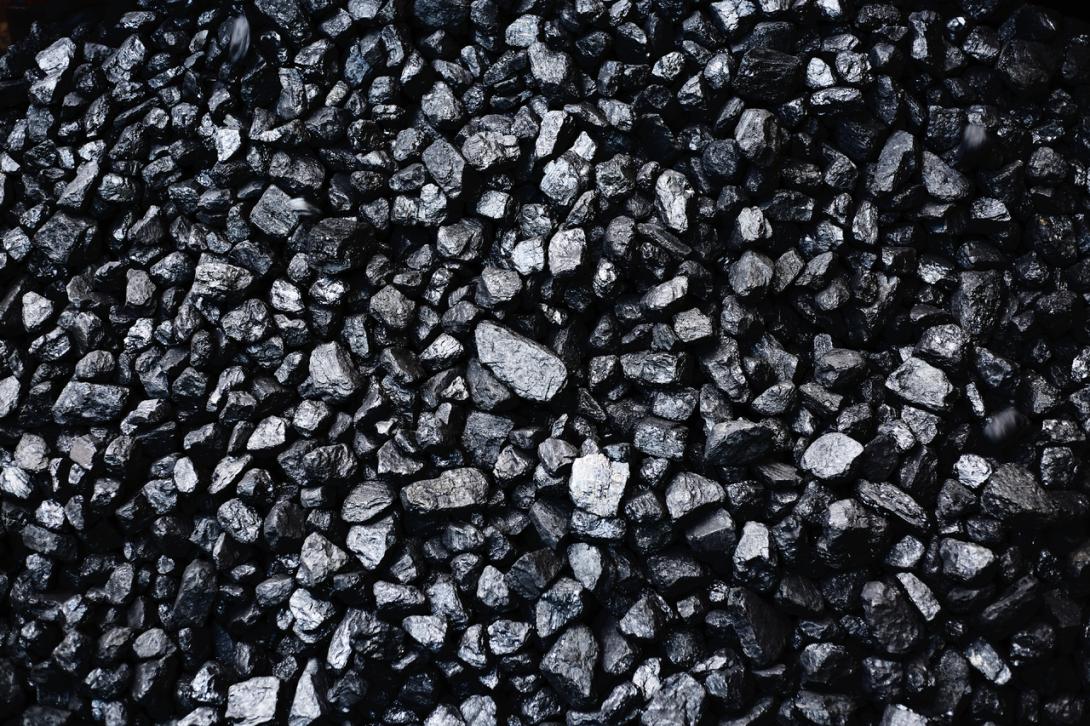
In April 2022, the Supreme Court of Justice of Chile ordered the integration of the climate variable into the review process of the Environmental Qualification Resolution (RCA) of the Angamos Thermoelectric Power Plant —which has operated based on the combustion of coal for more than 15 years in Mejillones, Antofagasta Region— because it had not been considered by the authority or by the owner of the project at the beginning of this.
The case dates back to 2020, when people belonging to the Mejillones community requested the Environmental Assessment Service (SEA) of the Antofagasta Region to review the RCA granted to the Angamos thermoelectric plant in 2007. The entity initiated the review process, but only considered variables of the marine environment, without considering the effects on the atmosphere.
The plaintiffs then filed an appeal for protection, which was rejected by the Antofagasta Court of Appeals. This court upheld the SEA's decision, arguing that the RCA (Environmental Qualification Resolution) does not cover matters not considered in the environmental impact assessment process. The case then reached the Supreme Court, whose decision is a major step toward climate justice and a just energy transition in Chile. It allows for anticipating the risks associated with climate change and integrating the commitments made under the Paris Agreement and other international human rights and environmental law treaties into the environmental impact assessments of power generation plants.
More information here
In April 2022, the Supreme Court of Justice of Chile ordered the integration of the climate variable into the review process of the Environmental Qualification Resolution (RCA) of the Angamos Thermoelectric Power Plant —which has operated based on the combustion of coal for more than 15 years in Mejillones, Antofagasta Region— because it had not been considered by the authority or by the owner of the project at the beginning of this.
The case dates back to 2020, when people belonging to the Mejillones community requested the Environmental Assessment Service (SEA) of the Antofagasta Region to review the RCA granted to the Angamos thermoelectric plant in 2007. The entity initiated the review process, but only considered variables of the marine environment, without considering the effects on the atmosphere.
The plaintiffs then filed an appeal for protection, which was rejected by the Antofagasta Court of Appeals. This court upheld the SEA's decision, arguing that the RCA (Environmental Qualification Resolution) does not cover matters not considered in the environmental impact assessment process. The case then reached the Supreme Court, whose decision is a major step toward climate justice and a just energy transition in Chile. It allows for anticipating the risks associated with climate change and integrating the commitments made under the Paris Agreement and other international human rights and environmental law treaties into the environmental impact assessments of power generation plants.
More information here